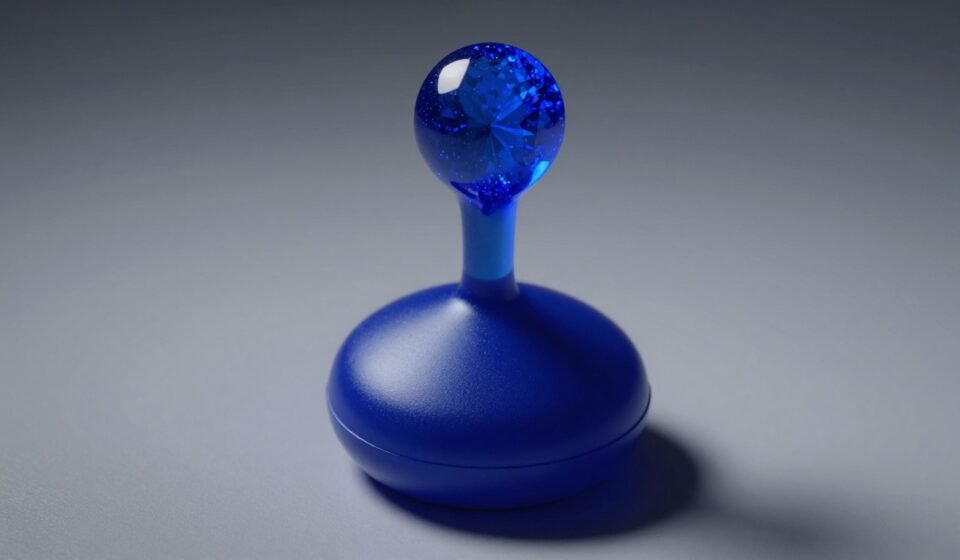

Decorative butt plugs can look polished, playful, and expensive. Still, a jewel butt plug can hide real safety problems if the design puts looks before function.
The sparkle at the end should never matter more than the base, the material, or the finish. If you’re shopping for one, the smart move is to check how it fits, how it cleans, and whether it can stay safely outside the body.
The biggest danger is a base that is too small or not flared enough
The base is the most important part of any anal toy. Without a wide stop at the end, the body can pull the toy farther inside than you planned, which can turn into an emergency room visit. Medical News Today’s butt plug safety guide makes the same point: shape and size matter as much as comfort.
If the base can slip inside, the whole toy can follow.
Decorative styles sometimes miss this basic rule. A plug may have a pretty gem, a shiny cap, or a slim profile, but none of that helps if the base is too narrow.
What a safe base should look like
A safe base is wide and easy to grab. That can mean a flared disk, a broad oval, or a T-bar that rests flat against the body.
The key is simple. The base should stay outside the body the whole time, and it should be wider than the neck above it. You should be able to hold it even if lube makes everything slippery.
A good base also helps during removal. If your fingers can get a solid grip, you are less likely to tug, twist, or panic.
Why some decorative designs fail this test
Some jeweled plugs use a tiny cap with a stone glued on top. Others have thin stems and small round ends that look neat in photos but do little to stop inward movement.
That creates two problems. First, the toy can slide too deep. Second, the small end can be hard to grab when you want it out.
This is where style can work against safety. An ornate end piece may look bigger than it really is, so the toy seems safer in product photos than it feels in use. A gem on the outside is fine, but it should sit on a real base, not replace one.
How jeweled plugs can cause pain, tearing, or irritation
The anus is delicate tissue. It can be injured by a plug that is too large, too rough, or pushed in too fast.
A bad experience often starts with rushing. If the body isn’t relaxed, even a small plug can feel sharp or wrong.
Size, shape, and speed matter more than style
A plug doesn’t have to look huge to hurt. Some have a steep bulb, a thick middle, or a long neck that puts pressure in the wrong place.
Start smaller than you think you need. For safe starter picks, check our beginner butt plugs on Amazon guide. Use plenty of lubricant, go slowly, and stop if pain rises instead of easing. Mild pressure can be normal, but sharp pain is not.
Shape matters as much as width. A smooth taper is easier than a sudden jump in size, and a rounded tip is kinder than a pointed one. Fancy details do nothing to fix a bad shape.
When surface flaws make things worse
Cheap finishing can turn a decorative plug into a scratch risk. Rough seams, chipped coating, jagged edges, or a loose gem setting can irritate tissue fast.
Even tiny flaws matter here because the skin is so sensitive. If a toy has a visible seam or feels rough when you run a finger over it, don’t use it.
Watch the jewel itself, too. If it wiggles, rattles, or sits near any part that goes inside the body, skip it. Decoration should stay secure and fully outside the insertion area.
Material quality and cleaning problems can raise the risk of infection
Some low-cost plugs look fine in a listing but give little detail about what they’re made from. That matters because porous or low-grade materials can trap fluid, odor, and bacteria in ways smooth, non-porous toys do not.

Photo by Anna Shvets
Safer materials to look for
Silicone, glass, and stainless steel are better choices when the toy is well made and designed for anal use. These materials are non-porous, so they are easier to wash and less likely to hold germs.
Smooth glass and steel are easy to inspect because flaws are easier to spot. Silicone can work well too, as long as it feels even, not sticky, and comes from a seller that clearly names the material. Delicto’s guide to safer butt plug materials offers a helpful overview of what to look for.
Cleaning should be simple. If a toy has hidden creases, glued parts, or a base that traps grime, it becomes harder to keep sanitary.
Why cheap marketplace toys can be a gamble
Random sellers often use vague labels like “alloy,” “soft rubber,” or “premium metal” without saying what that means. That should make you pause.
Photos can hide rough seams, weak stems, or tiny bases. Meanwhile, some bargain plugs use glue around the jewel or mixed materials that wear down faster. Buyers have raised the same concerns in a widely shared Reddit warning about jeweled plugs.
If a listing is short on dimensions, material details, or close-up photos, move on. A cheap plug is not a bargain if it hurts you.
How to choose a safer jewel butt plug without giving up the look
Decorative plugs are not all bad. Some are well designed, easy to clean, and made from safer materials. The trick is to shop with safety first and sparkle second.
A quick safety checklist before you buy
Before you add one to your cart, check a few basics:
- The base is wide, flared, or T-shaped, and easy to grip.
- The inserted part is smooth, with no seams, chips, or raised details.
- The material is clearly listed as silicone, glass, or stainless steel.
- The jewel sits outside the body and feels firmly attached.
- The product page includes real dimensions, not only styled photos.
A good listing should answer simple questions without guesswork. If it doesn’t, that’s useful information by itself.
When to stop using the toy and get medical help
Stop right away if you have bleeding, severe pain, swelling, or a toy that will not come out easily. Do not keep pulling if the base is hard to hold or the plug feels stuck.
Get medical care quickly if the toy slips too far inside or you cannot remove it. Fast help is safer than waiting and hoping the problem goes away.
Safety matters more than sparkle
The biggest risks with jeweled butt plugs are easy to spot once you know what matters: a small base, a rough finish, poor materials, and a design that is hard to clean. Flashy details can’t make up for weak construction.
A safer plug can still look good. However, the better choice is always the one with a solid base, smooth surface, and body-safe build.